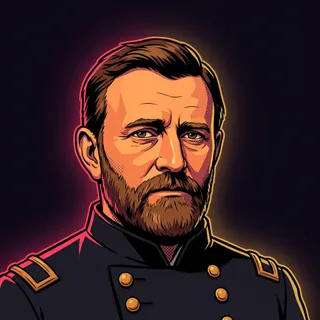
Ulysses S. Grant: the record
Unconditional Surrender. The 18th president, 1869-1877, from Ohio. Every story here is tagged Record, meaning it’s documented, or Legend, meaning it gets told a lot and doesn’t hold up. Each one links to its source.
- President
- 18th
- In office
- 1869-1877
- Home state
- Ohio
- Party
- Republican
- Height
- 5'8"
The record
What he cared about
- Protecting the rights of freed people during Reconstruction. He used federal power against the Ku Klux Klan.
- Paying down the war debt and keeping the dollar sound.
- A "peace policy" toward Native nations, which often broke down in practice.
The full record
Before the war Grant owned one enslaved man, William Jones, and freed him in 1859. During the war he issued an order expelling Jewish people from his district, which Lincoln canceled.
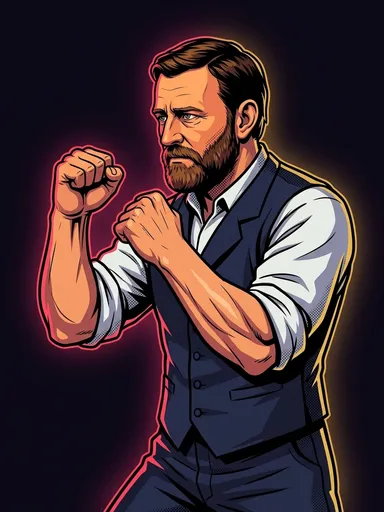
How he fights in POTUS KO
Short, stubborn infighting
Grant won by refusing to back off. Where other generals pulled back after a bad day, he kept moving forward. In the ring, once he's figured you out, he just keeps coming.
See POTUS KOQuestions about Ulysses S. Grant
Where did the nickname Unconditional Surrender Grant come from?
When the Confederate commander at Fort Donelson asked for terms in 1862, Grant answered that he'd accept nothing except an unconditional surrender. Newspapers turned his initials into a nickname: Unconditional Surrender Grant.
Why did Ulysses S. Grant write his memoirs?
Near the end of his life, broke and sick with throat cancer, Grant raced to finish his memoirs so his family would have money. He finished days before he died, and the book sold hugely.
Was Grant a good horseman?
At West Point, Grant was the best rider in his class. On a huge horse named York, he set a high jump record that stood for about 25 years.