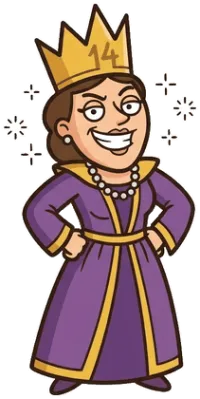
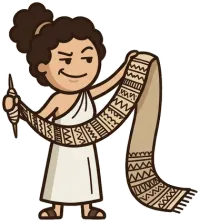
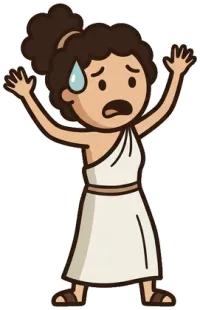
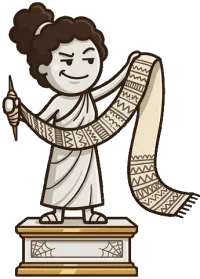
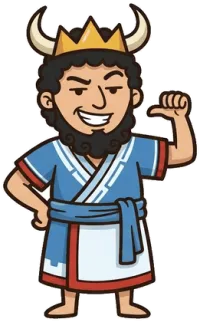
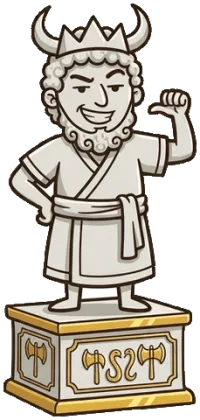
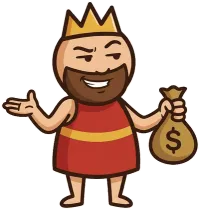
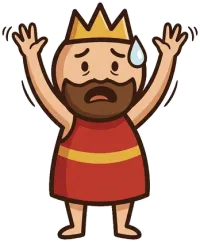
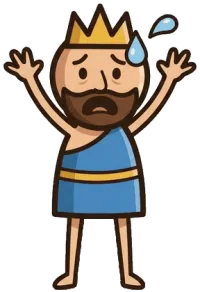
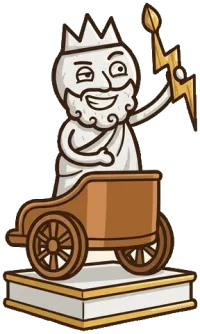
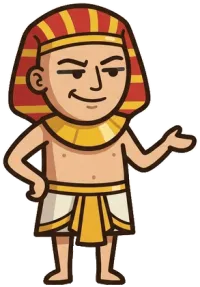
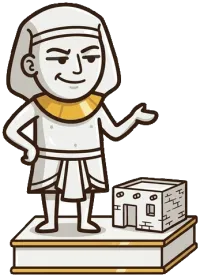
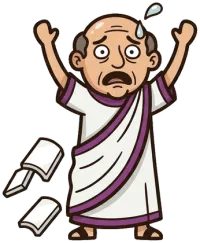
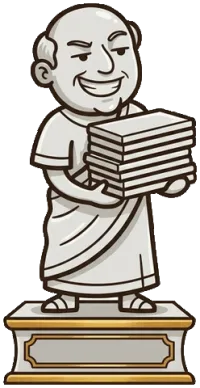
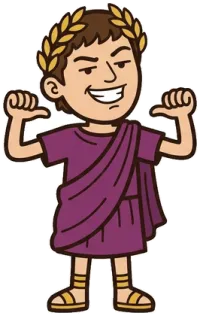
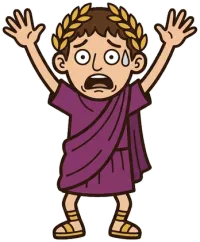
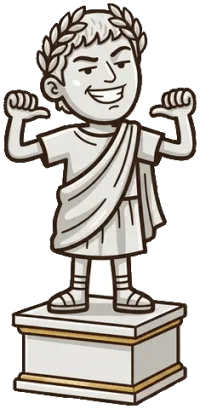
Niobe bragging beside her statue on a stone tower, with your little temple next to it
Gods Get Even

Proud mortals built statues of themselves. Knock them down.

A physics puzzle where you play the gods of Greece, Egypt and Rome. Find the weak spot and drop the statue. Just don't flatten your own temple.

Email me when it's out

Coming soon to Google Play. Free, for ages 13 and up. Ads come off for $1.99.

Here for a myth? Niobe, Arachne, Minos and ten more are below.

How do you play Gods Get Even?

Gods Get Even is a free physics puzzle game, coming soon to Android. Mortals from the old myths got so proud they built statues of themselves. You play the gods, and you knock the statues down.

Every god does one thing. Zeus's bolt smashes stone. Poseidon shakes one spot. Hermes grabs a block and flies off. Pick the right god, find the weak spot, and the whole building comes down. Your own little temple has to stay standing.

  • Fifteen levels each in Greece, Egypt and Rome, and a Wrath level to finish each one
  • Today's Grudge: a new level every day, the same one for everybody
  • For ages 13 and up

The gods you play

Greece

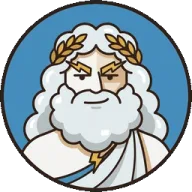
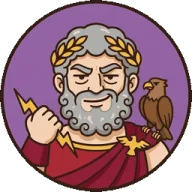
  • ZeusSmashes stoneKing of the Greek gods.
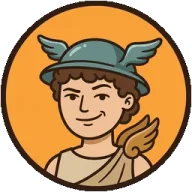
  • HermesGrabs light blocksMessenger of the gods, and a sneaky thief.
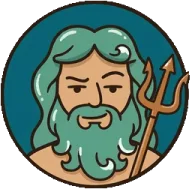
  • PoseidonShakes one spot hardGod of the sea and earthquakes.

Egypt

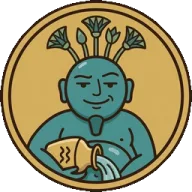
  • HapiWashes things awayGod of the Nile's flood.
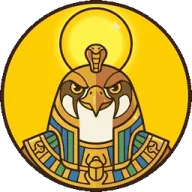
  • RaBurns woodEgyptian sun god.

Rome

  • JupiterSmashes stoneRome's name for Zeus.
  • NeptuneShakes one spot hardRome's name for Poseidon.
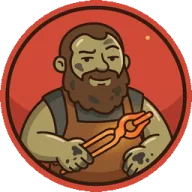
  • VulcanShoves with hot bronzeRoman god of fire and the forge.
  • TerminusHolds a block stillRoman god of boundary stones. He never moves.

The myths behind the levels

Every mortal in the game comes from a real myth, and every one of them picked a fight with the gods. It went about how you'd expect.

Greece

The myth of Niobe

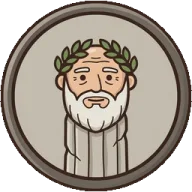
Niobe, queen of Thebes

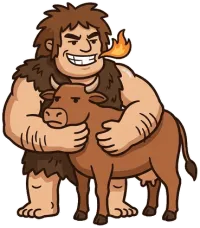
  1. Niobe, bragging

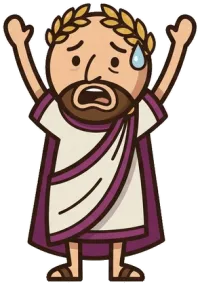
    Niobe had seven sons and seven daughters. She bragged about them all the time.

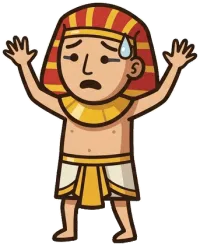
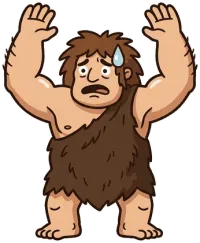
  2. Niobe, finding out

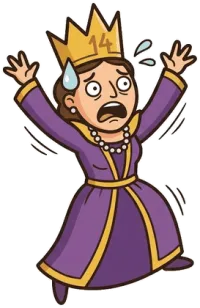
    She told everyone to stop praying to the goddess Leto. Leto only had two kids.

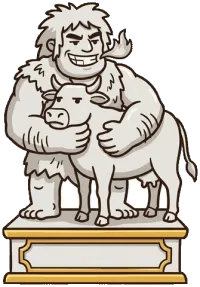
  3. Niobe's statue, cracking

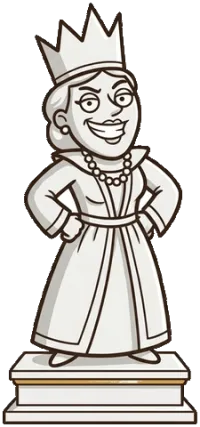
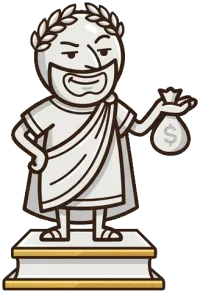
    Leto's two were Apollo and Artemis. Niobe lost all fourteen. She cried until she turned to stone.

Sources: Ovid, Metamorphoses 6; Homer, Iliad 24

The myth of Arachne

Arachne, a weaver

  1. Arachne, bragging

    Arachne was the best weaver around. People came just to watch her.

  2. Arachne, finding out

    She said she was better than Athena, the goddess of weaving. Athena told her to take it back. She wouldn't.

  3. Arachne's statue, cracking

    They had a contest. Athena got mad and turned Arachne into a spider.

Sources: Ovid, Metamorphoses 6

The myth of Minos

Minos, king of Crete

  1. Minos, bragging

    Poseidon sent Minos a beautiful white bull from the sea.

  2. Minos, finding out

    Minos promised to give it back to Poseidon. He liked it too much, so he kept it.

  3. Minos's statue, cracking

    Poseidon got even. Crete got the Minotaur, half man and half bull.

Sources: Apollodorus, Library 3.1.3-4

The myth of Laomedon

Laomedon, king of Troy

  1. Laomedon, bragging

    Poseidon and Apollo worked a whole year for King Laomedon. Poseidon built the walls of Troy.

  2. Laomedon, finding out

    When the year was up, Laomedon wouldn't pay. He threatened them instead.

  3. Laomedon's statue, cracking

    So Poseidon sent a sea monster after Troy.

Sources: Homer, Iliad 21; Apollodorus, Library 2.5.9

The myth of Salmoneus

Salmoneus, a king in Greece

  1. Salmoneus, bragging

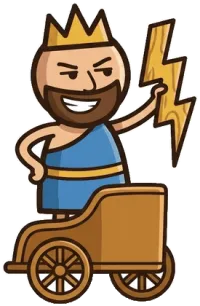
    Salmoneus was a king. One day he decided he was Zeus.

  2. Salmoneus, finding out

    He drove his chariot over bronze to make fake thunder. He threw torches and called them lightning.

  3. Salmoneus's statue, cracking

    Zeus threw a real one.

Sources: Apollodorus, Library 1.9.7; Virgil, Aeneid 6

Egypt

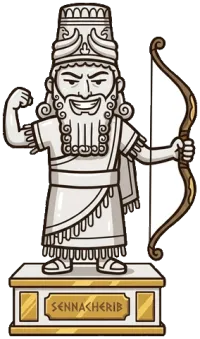
The story of Sennacherib

Sennacherib, king of Assyria

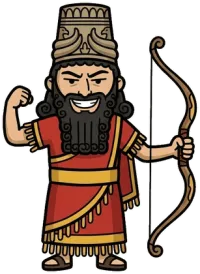
  1. Sennacherib, bragging

    Sennacherib marched a huge army to Egypt's border.

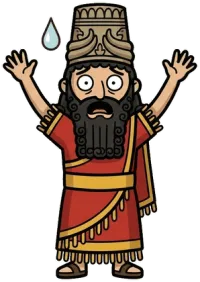
  2. Sennacherib, finding out

    Egypt's king prayed for help.

  3. Sennacherib's statue, cracking

    That night, mice ate all the bowstrings. The army ran home.

Sources: Herodotus, Histories 2.141

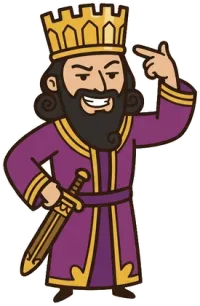
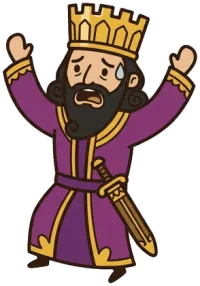
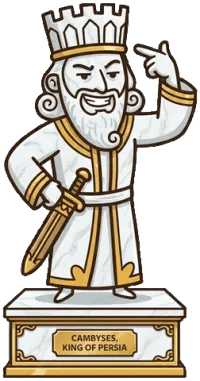
The story of Cambyses

Cambyses, king of Persia

  1. Cambyses, bragging

    Cambyses, king of Persia, took over Egypt.

  2. Cambyses, finding out

    People were celebrating a sacred bull. Cambyses thought they were laughing at him, so he stabbed it.

  3. Cambyses's statue, cracking

    Years later, his own sword cut him in the same spot.

Sources: Herodotus, Histories 3.27-29, 3.64

The story of Pheros

Pheros, king of Egypt

  1. Pheros, bragging

    Pheros was king of Egypt. One year the Nile flooded higher than ever.

  2. Pheros, finding out

    Pheros threw a spear into the river.

  3. Pheros's statue, cracking

    He went blind for ten years.

Sources: Herodotus, Histories 2.111

The tale of Setne

Setne, prince of Egypt

  1. Setne, bragging

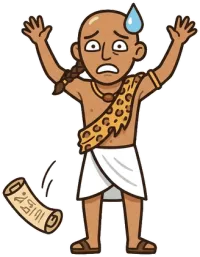
    Setne loved books. He wanted the magic Book of Thoth.

  2. Setne, finding out

    It was in a tomb, with ghosts. They said no. He took it anyway.

  3. Setne's statue, cracking

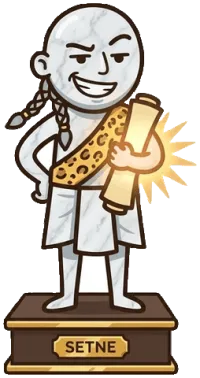
    Everything went wrong after that. He gave the book back.

Sources: The First Tale of Setne Khamwas

Rome

The myth of Tarquin the Proud

Tarquin the Proud, king of Rome

  1. Tarquin the Proud, bragging

    Tarquin was Rome's last king. He wanted a giant temple on a hill.

  2. Tarquin the Proud, finding out

    Every old god up there agreed to move. Terminus, the god of boundary stones, said no.

  3. Tarquin the Proud's statue, cracking

    Terminus stayed. Tarquin got kicked out of Rome.

Sources: Livy, History of Rome 1.55

The myth of Cacus

Cacus, the cow thief

  1. Cacus, bragging

    Cacus was a fire-breathing giant. He lived in a cave.

  2. Cacus, finding out

    He stole Hercules's cows. He pulled them in backward, so the tracks pointed the wrong way.

  3. Cacus's statue, cracking

    One cow mooed. Hercules ripped the top off the hill.

Sources: Virgil, Aeneid 8.190-267; Livy, History of Rome 1.7

The story of Fulvius Flaccus

Flaccus, a Roman official

  1. Flaccus, bragging

    Flaccus was building a temple in Rome. He wanted the best one.

  2. Flaccus, finding out

    He pulled marble tiles off Juno's temple and shipped them home.

  3. Flaccus's statue, cracking

    He had to send them all back. Nobody could put them back on.

Sources: Livy, History of Rome 42.3

The story of Caligula

Caligula, emperor of Rome

  1. Caligula, bragging

    Caligula was emperor of Rome. He told people he was a god.

  2. Caligula, finding out

    He took statues of the gods and put his own head on them.

  3. Caligula's statue, cracking

    He tried to move the statue of Jupiter. It laughed out loud, and the workers ran.

Sources: Suetonius, Caligula 22, 57

Questions

What is Gods Get Even?

Gods Get Even is a free physics puzzle game, coming soon to Android, where you play the gods of Greece, Egypt and Rome. Mortals from real myths, like Niobe, Arachne and King Minos, built statues of themselves. You knock the statues down with each god's power and try not to flatten your own little temple.

Are the myths real?

They're real old stories. Every mortal in the game comes from one, and each myth on this page says where it's from: Ovid, Homer, Herodotus, Livy and a few others. Some of them, like Caligula and Sennacherib, were real rulers whose stories grew in the telling.

What is hubris?

Hubris is the Greek word for pride so big a person thinks they're as good as a god. In the myths it ends badly every time. That's the whole game.

Which gods do you play?

Zeus, Hermes and Poseidon in Greece. Hapi and Ra in Egypt. In Rome it's Jupiter and Neptune, which are Rome's names for Zeus and Poseidon, plus Vulcan and Terminus. Thor and Loki show up as guests once you've earned enough stars.

How many levels are there?

Fifteen in each of Greece, Egypt and Rome, and a Wrath level to finish each one. Today's Grudge adds a new level every day, the same one for everybody.

Is it free?

Yes. It shows ads from Google AdMob, rated for teens and never in the middle of a level. One $1.99 purchase turns them off for good.

When is it out?

It's on its way to Google Play now. Tap the button and send the email, and we'll write back once, the day it's out.

What age is it for?

13 and up. The myths keep their old endings, so Niobe still turns to stone, but each one is told in a few plain sentences.

Is it on iPhone?

Android comes first. iPhone and iPad are next.
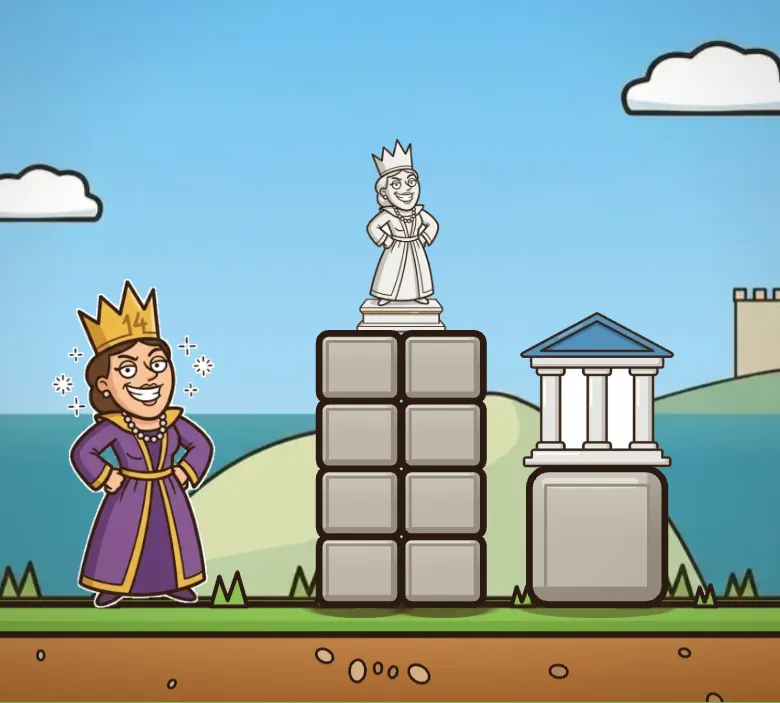
Wreck theirs. Save yours.
Fifteen levels in each of Greece, Egypt and Rome, a Wrath level to finish each one, and a new Today's Grudge every day.

Coming soon to Google Play. Free, for ages 13 and up. Ads come off for $1.99.