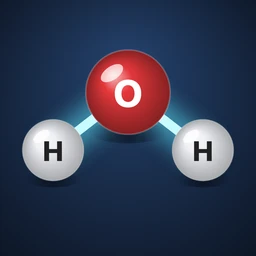
A match-3 where the tiles are atoms.
It's an easy swap-and-match game. When the atoms touching can share all their bonds, they react and clear. Play it for fun. You'll pick up why two H on an O is water anyway.
Coming to Android first, then iPhone and iPad. Free with ads, or $1.99 once to turn them off. Plays offline. No account.

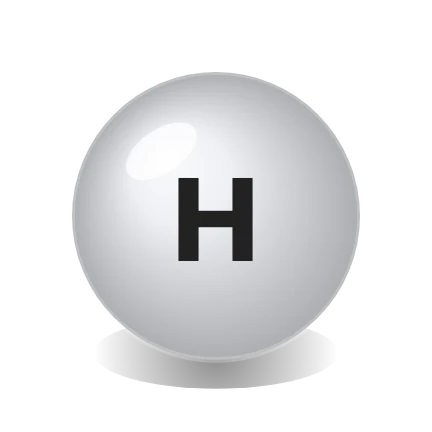
The dots on each atom are the whole rule.
Each dot is a bond the atom wants. Put atoms together so every dot gets used, and they react.
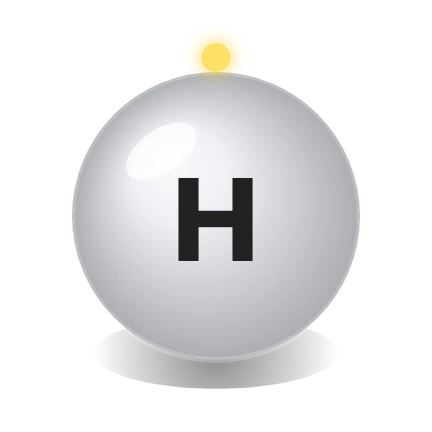
Hydrogen
wants 1
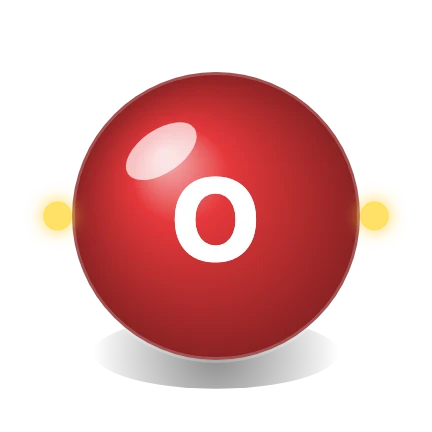
Oxygen
wants 2
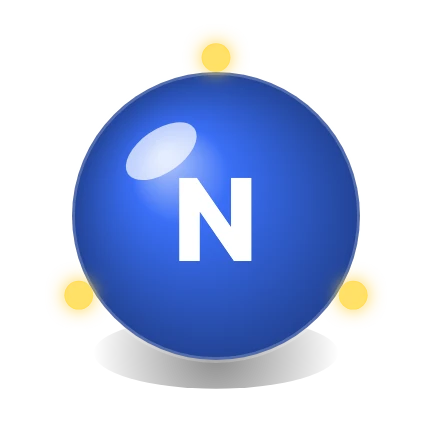
Nitrogen
wants 3
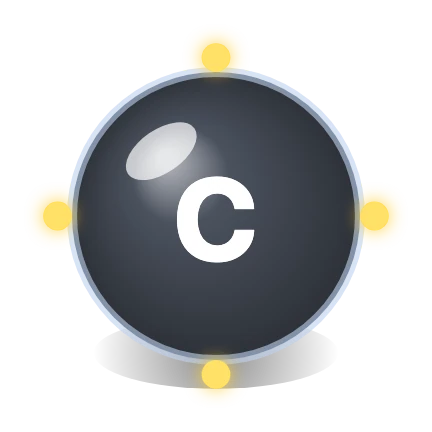
Carbon
wants 4
Why do atoms bond?
Atoms are steadiest with a full outer shell of electrons: eight for most of them, two for hydrogen and helium. Oxygen has six, so it's two short. It fills the gap by sharing a pair of electrons with each of two neighbors, and each shared pair is a bond.
The dots on a tile are exactly the electrons that atom is short. That's why oxygen has two and carbon has four.
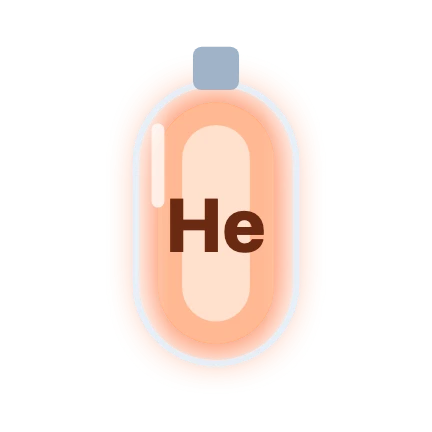
And helium sits out
Helium's shell is already full, so it never bonds. In the game it's sealed in glowing glass tubes that block the board, until a reaction right next to one lets the helium out.
How it plays
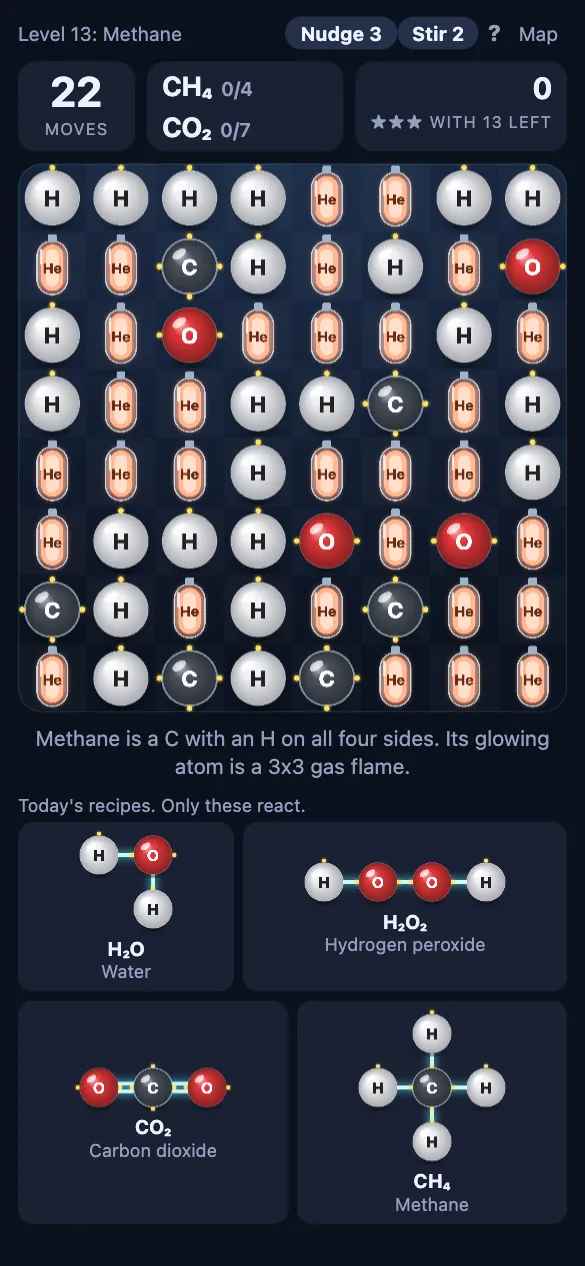
Swap two atoms
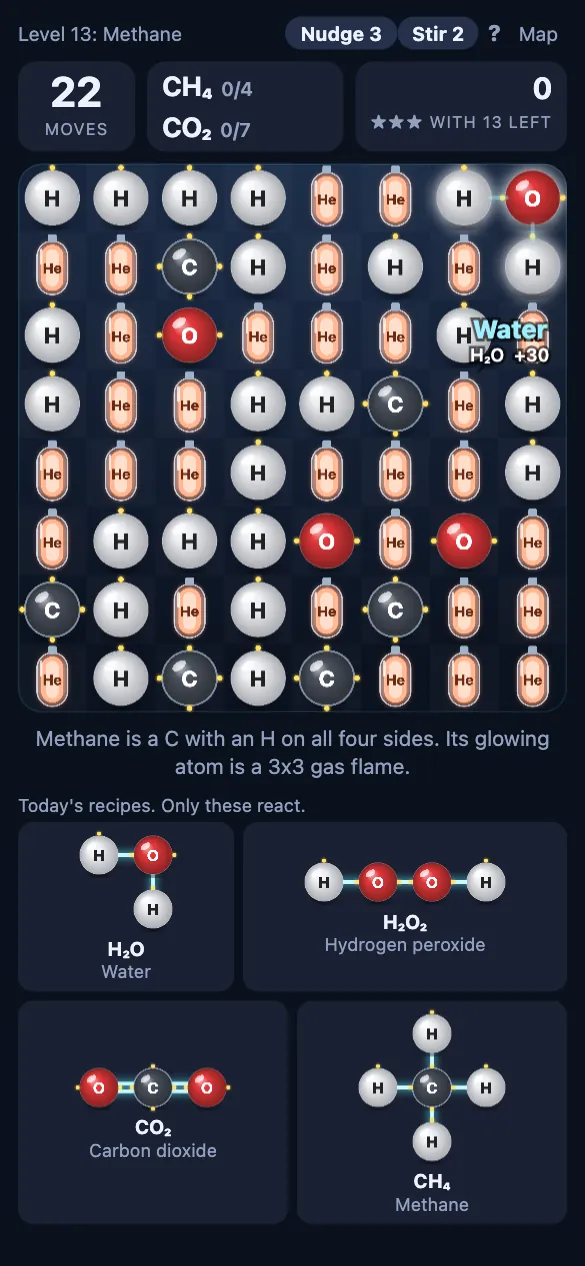
Swipe any atom into its neighbor. If the swap makes a molecule on that level's recipe list, it reacts. If it doesn't, it slides back and costs you nothing.
Watch it react
The bonds glow, the name pops up, and the atoms clear. New ones drop in, and if they make another molecule, that one goes too.
One new idea at a time
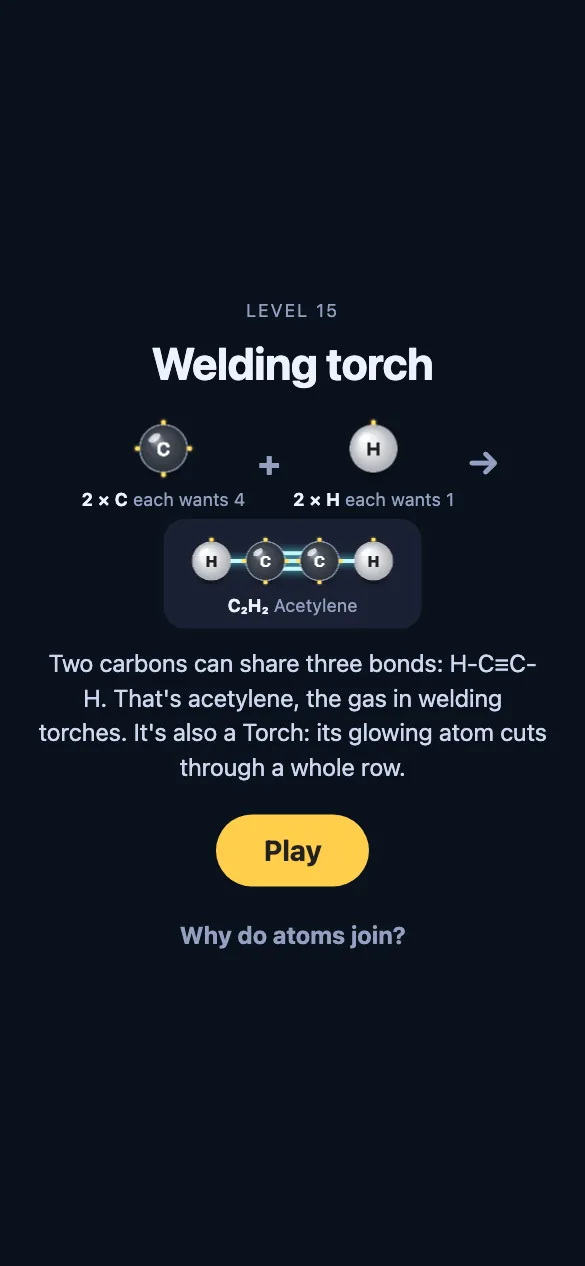
When a level brings something new, you get one card first: the atoms, how many bonds each one wants, and what they make.
Fill the Compendium
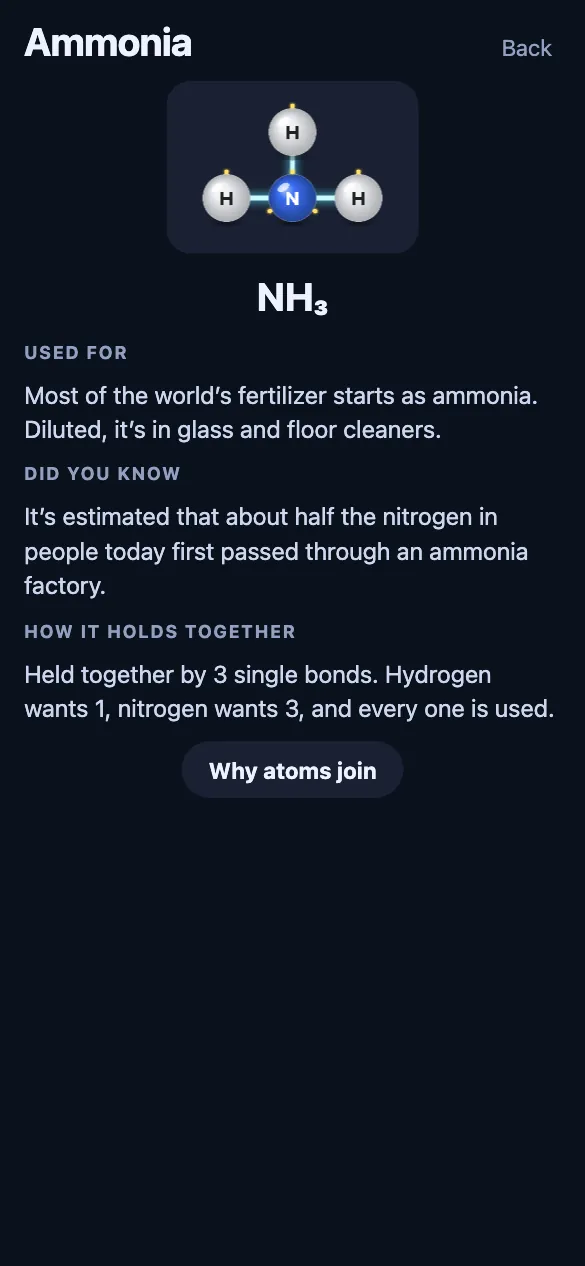
Every molecule you make unlocks a page: what it's used for, one fact, and how its bonds hold it together. There are 37 to find.
Real molecules, and what they do
Nothing clears unless it's a real molecule. Here are ten of the 37.
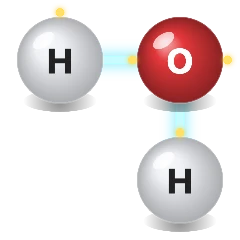
Water H₂O
Drinking, cooking, growing food and cooling power stations. Every living cell runs on it.
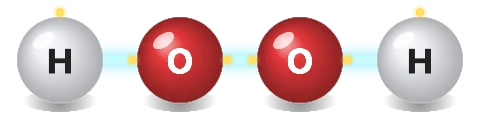
Hydrogen peroxide H₂O₂
Bleaches hair and paper, disinfects cuts and contact lenses, and in strong form fuels some rockets.
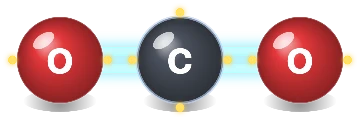
Carbon dioxide CO₂
Puts the fizz in soda, freezes into dry ice, and smothers fires in some extinguishers.
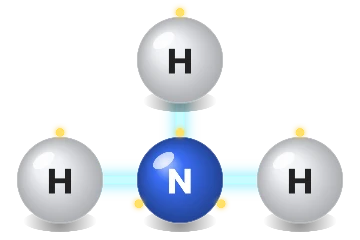
Ammonia NH₃
Most of the world's fertilizer starts as ammonia. Diluted, it's in glass and floor cleaners.
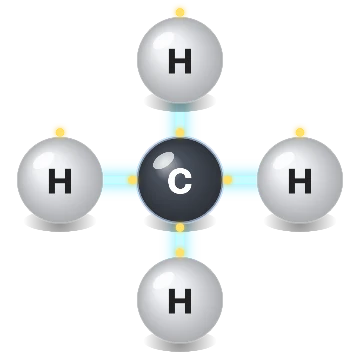
Methane CH₄
The main gas in natural gas: it heats homes, cooks food and makes electricity.
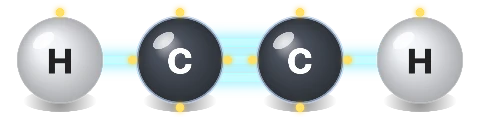
Acetylene C₂H₂
Burns with oxygen in welding torches hot enough to cut steel, over 3,000 °C.
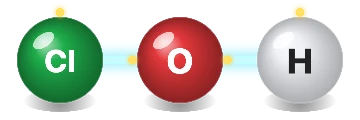
Hypochlorous acid HOCl
The germ killer that forms when pool chlorine or bleach meets water.
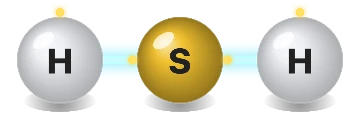
Hydrogen sulfide H₂S
The rotten egg smell. Refineries strip it out of natural gas and turn it into sulfur.
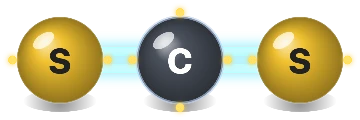
Carbon disulfide CS₂
Used to make rayon fabric and cellophane.
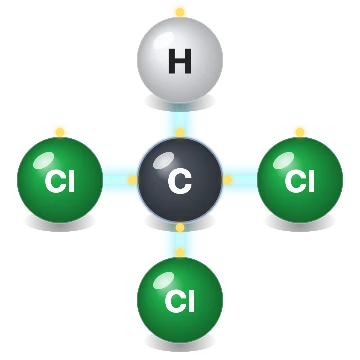
Chloroform CHCl₃
Used to make refrigerant gases and the nonstick coating on pans.
Three worlds, 30 levels
Each world brings new atoms, and each one gets harder as it goes: tighter moves, more goals at once, and fewer free shuffles.
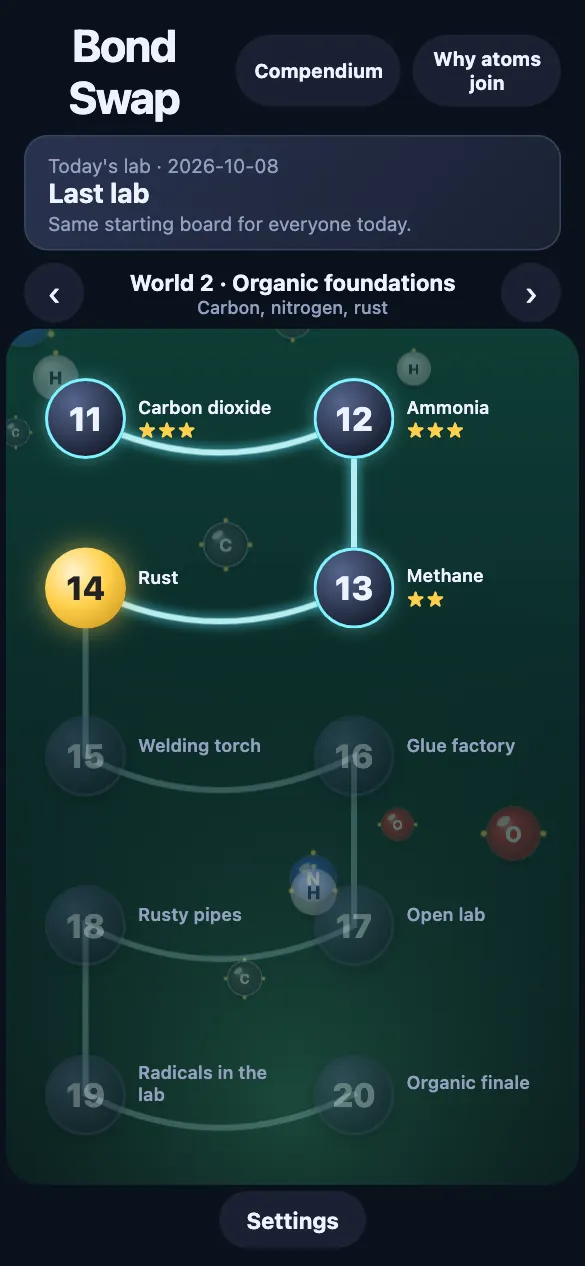
Primordial atmosphere
Hydrogen, oxygen and helium. Water, hydrogen peroxide, and free radicals that steal electrons if you leave them alone.
Organic foundations
Carbon and nitrogen join in. Carbon dioxide, ammonia, methane, the gas in welding torches, and rust to scrub off.
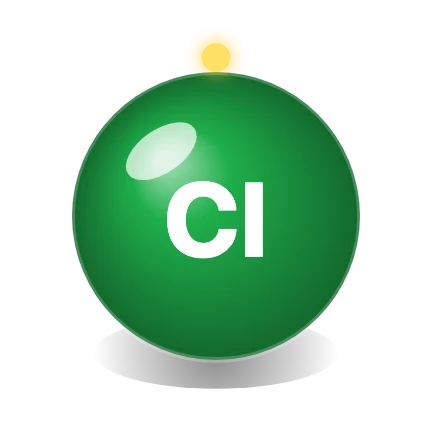
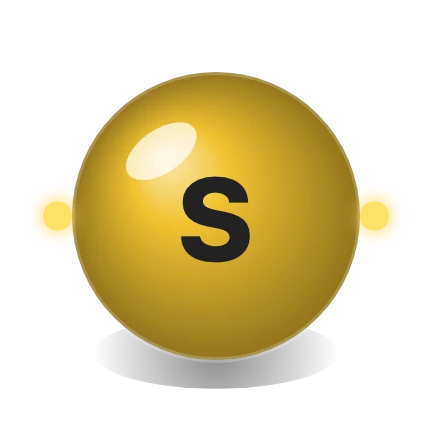
Pools and hot springs
Chlorine and sulfur. The germ killer in pool water, the rotten egg smell of hot springs, chloroform, and one final level with everything at once.
When you're stuck, and when you want more
Stir
Two free shuffles a level. The atoms trade places, and it costs no moves.
Nudge
Three a level. Swap any two atoms even if nothing forms, to set up something bigger. Each one costs a move.
Glowing atoms
Bigger molecules leave one atom glowing. Use it in your next molecule and it clears a row, a column or a 3×3 square.
Stars
Stars come from the moves you have left at the end, so clean play beats lucky chains.
Today's lab
One board a day, the same for everyone. Copy your result and send it to your family.
For teachers
Bond Swap is made for 8th grade and up. Underneath the game: valence as a number you can see on every tile, single, double and triple bonds, why noble gases sit out, and real molecules with real uses.
A short lesson, Why atoms join, is one tap away from every level. It's simplified, and it says where: the board is flat and real molecules aren't.
How it pays for itself
- Free to play, with ads.
- An ad between levels at most. Never after your first level of a session, never during a level, and no more than one every three minutes.
- Out of moves? You can watch an ad for five more. That's your choice, and it stays there even if you've paid.
- $1.99 once turns the other ads off for good. No subscription, no coins, no lives, no energy meter.
- Plays offline with no Wi-Fi, and there's no account to make.
Questions
Why do atoms bond?
Atoms are steadiest with a full outer shell of electrons, eight for most of them and two for hydrogen. An atom that's short shares pairs of electrons with its neighbors until they're all full, and each shared pair is a bond. In Bond Swap, the dots on each atom are the bonds it's short.
Do I need to know chemistry?
No. Every atom shows how many bonds it wants, and the first level teaches the only rule. If you do know chemistry, you will recognize everything.
Is the chemistry real?
As real as a flat board allows. The game counts bonds the way a chemist would, and only real molecules clear. The shapes get flattened onto the grid, and the game tells you that.
Does it work offline?
Yes. The game runs with no Wi-Fi or signal. Ads need a connection, so with no signal you just don't see any.
Is it on iPhone and iPad?
Android comes first, with iPhone and iPad right behind it. It plays in portrait.
Who is it for?
Anyone in 8th grade and up. It is rated 13 and up in the stores. It fits match-3 players who want their puzzles to mean something, and anyone who half remembers chemistry class.
Who made it?
Pettigrew Lab, a small family studio. It started with one idea: what if the candies in a match-3 were atoms, and two H and an O made water?
Want to know when it's out?
Send one email and we'll write back the day it's in the store. That's the only email you'll get.
Tell me when it's out